Confinement Herbal Baths: What They Are and How to Use Them
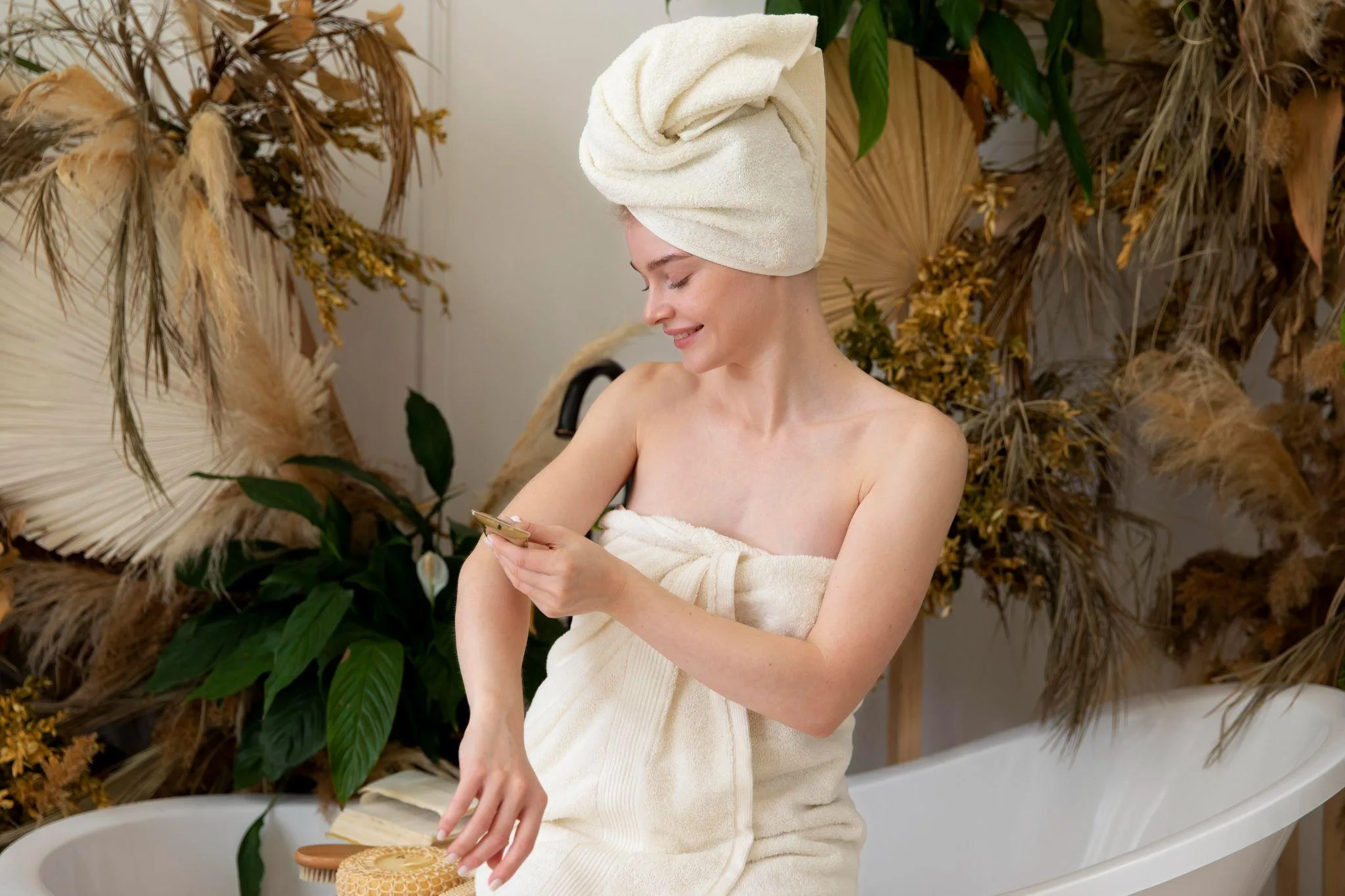
A confinement herbal bath is a warm bath or rinse infused with herbs such as ginger, lemongrass or the Chinese chaste tree, used during the confinement period to ease "wind" related discomfort and support hygiene. Chinese and Malay families use different herbs and rituals, and the question that matters most for safety is timing around stitches or a caesarean wound.
What is a confinement herbal bath, exactly?
A confinement herbal bath is boiled herbs, strained and added to warm bathwater, or used as a rinse over the body and hair after a normal shower. It is applied externally only and is not meant to be drunk. The tradition rests on the belief that childbirth leaves the body depleted and more open to "wind" entering the joints, and that a warming herbal soak helps guard against this while keeping the mother clean during confinement.
Many postnatal service providers in Singapore, from TCM halls to confinement nanny agencies, sell ready-made herbal bath sachets or include them as part of a package, so families rarely need to source and mix the herbs themselves.
How does the Chinese confinement herbal bath work?
In Chinese confinement, or zuo yue zi, the herbal bath is framed in Traditional Chinese Medicine terms as a way to restore qi and expel "wind" after the blood loss of childbirth. The herbs most commonly used are da feng ai (sembong, or Blumea balsamifera), Chinese chaste tree fruit, ginger peel and sometimes mugwort or peppermint. A sachet is boiled for around 15 to 30 minutes, strained, then mixed into a pail or tub of warm water. Some families use it daily, others a few times a week, typically continuing for 30 to 40 days.
What is the Malay herbal bath, mandi herba, during pantang?
Malay confinement, known as pantang, traditionally runs 40 to 44 days. Alongside bengkung abdominal binding and urut massage, many families use a herbal bath called mandi herba (or mandi rempah), typically made with pandan leaves, lemongrass, turmeric and ginger. It is used to warm the body and relax the muscles, and often accompanies bertungku, the gentle application of warmth to the abdomen.
Indian postnatal care in Singapore, often drawing on Ayurvedic ideas, includes its own version: a turmeric or herbal oil bath that usually accompanies daily abhyanga massage rather than standing alone. The table below sets the three side by side.
Confinement bath practices by community
| Community | Typical bath practice | Common ingredients | Traditional purpose |
|---|---|---|---|
| Chinese | Herbal bath or rinse, often daily for 30 to 40 days | Da feng ai, chaste tree fruit, ginger peel, mugwort | Expel "wind", ease aches, support hygiene |
| Malay | Mandi herba as part of pantang, alongside bengkung and urut | Pandan, lemongrass, turmeric, ginger | Warm the body, relax muscles, complement massage and binding |
| Indian | Turmeric or herbal oil bath, usually paired with abhyanga massage | Turmeric, sesame or herbal oil | Cleanse the skin, support circulation, complement daily massage |
No single tradition is the default here. Chinese, Malay and Indian families in Singapore each have their own logic for why a warm herbal bath matters during recovery, and the practices sit alongside one another rather than one being the norm and the others a variation.
Is a confinement herbal bath safe after stitches or a caesarean wound?
This is the question that matters most, and it depends entirely on how you gave birth. According to HealthHub's guidance on caring for your wound after delivery, an episiotomy wound usually takes about a week for the pain to ease and up to two weeks to heal, while a caesarean wound generally takes six to eight weeks to heal fully, though the dressing can often come off after about a week if it has stayed dry.
Many families wait until bleeding has lightened and the wound looks closed before starting a full herbal bath, which for some means around day 10 to 14. This is a common practice, not a medical rule, and healing speed varies from person to person. Confirm with your own obstetrician before you start, especially after a caesarean, a tear that needs stitches, or if you have any signs of infection such as increasing pain, redness, swelling, discharge or fever.
A herbal rinse over the body, avoiding the wound itself, is generally treated with more caution than a full soak, because prolonged immersion can soften healing skin. Keep the water comfortably warm rather than hot, keep soaks brief, and pat the area dry rather than rubbing. If anything feels wrong, stop and call your doctor rather than waiting it out.
How do you prepare and use a confinement herbal bath at home?
- Buy a ready-made sachet from a TCM hall, pharmacy or confinement nanny agency, or ask whether one is already included in your confinement package.
- Boil the herbs as directed on the packet, usually for 15 to 30 minutes, then strain out the solids.
- Add the strained liquid to a pail or tub of warm, not hot, water.
- Soak or rinse for a short period, then pat your skin dry rather than rubbing, especially near any healing wound.
- Skip the day, or switch to a plain warm shower, if you feel unwell, light-headed, or notice any irritation around a wound.
If you would rather not manage this yourself, a confinement nanny or a therapist from one of the confinement centres in our directory can usually prepare and time it for you as part of a residential stay.
What confinement herbal baths do not do
The "wind" and "qi" framework behind the herbal bath is a cultural and traditional belief system, not a clinically established one, and there is limited scientific evidence that a herbal bath speeds wound healing, restores blood or boosts milk supply on its own. That does not make the practice meaningless. It is inexpensive, generally low risk when timed sensibly, and matters to many families as part of how confinement is done. It simply should not replace the wound care, pain control or check-ups your doctor has already set out for you, and it is not a treatment for infection, a rash or any complication. If you are allergic to a particular herb, a small patch test before the first full bath is a sensible precaution.
Choosing what fits your confinement

Whether a herbal bath features in your confinement at all is a personal and cultural choice, and it is only one small part of a much bigger set of decisions, from who cares for you to where you recover. If you are still weighing a confinement centre against a nanny or a postnatal service provider, our Get Matched quiz takes three quick questions and points you toward providers that fit your region, budget and the kind of care you want.
The bottom line
A confinement herbal bath is a warm, externally applied herbal soak or rinse rooted in Chinese and Malay tradition — inexpensive, generally low risk when timed sensibly, and not a substitute for medical wound care. Chinese practice leans on da feng ai, chaste tree fruit and ginger; Malay mandi herba leans on pandan, lemongrass and turmeric. Whichever tradition you follow, confirm timing with your obstetrician if you have stitches or a caesarean wound, keep the water warm rather than hot, and stop if anything feels wrong.
If you're still working out how long your confinement should run before deciding what belongs in it, our guide to how long the confinement period lasts covers the Chinese, Malay and Indian traditions in more depth, and what a confinement nanny does explains what's typically included when someone else prepares your bath for you.
Frequently asked questions
Can I take a herbal bath after a caesarean section?
Most doctors want a caesarean wound closed, dry and no longer bleeding heavily before you soak, which for many mothers is around day 10 to 14. There is no single fixed day for everyone, so confirm timing with your own obstetrician rather than a general rule.
How soon after a vaginal birth can I start a confinement herbal bath?
Some families begin as early as day 3 if bleeding is light and there is no open wound, though this varies with how the birth went and how healing is progressing. If you are unsure, ask at your postnatal check-up.
Is a herbal bath the same as not showering during confinement?
No. Some older confinement customs discouraged showering altogether to avoid "wind" entering the body. A herbal bath is a way to stay clean while still following that tradition, and going weeks without washing in Singapore's climate is not something doctors recommend.
Do Chinese and Malay herbal baths use the same ingredients?
No. Chinese practice typically uses da feng ai, chaste tree fruit and ginger. Malay mandi herba during pantang commonly uses pandan, lemongrass and turmeric. Both share the idea of a warming herbal bath, but the specific herbs, rituals and surrounding practices differ.
Want your herbal bath prepared for you?
A confinement nanny or a centre therapist can source, boil and time your herbal bath as part of a residential stay. Tell us your due date and region and we'll match you with providers.
Get matched free